



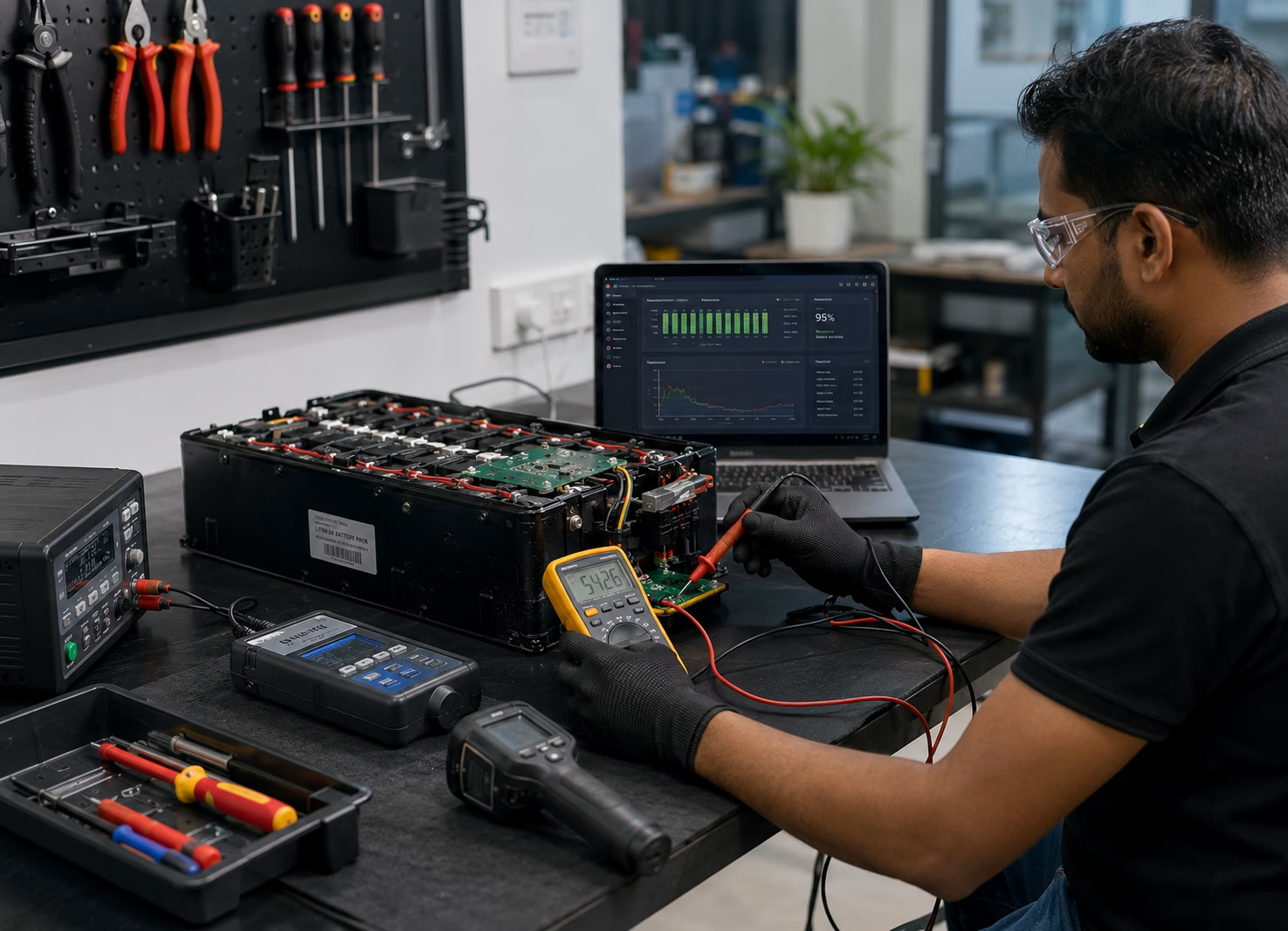
Battery health check & diagnosis
Share a few details and we’ll open WhatsApp with your enquiry prefilled.
Share your details and continue on WhatsApp for partnership discussion.
Battery health tips & support
Practical battery care guidance for EV batteries, lithium UPS batteries, solar batteries and ESS battery packs. Learn what affects lithium battery life, how to avoid early failure and when to take support.
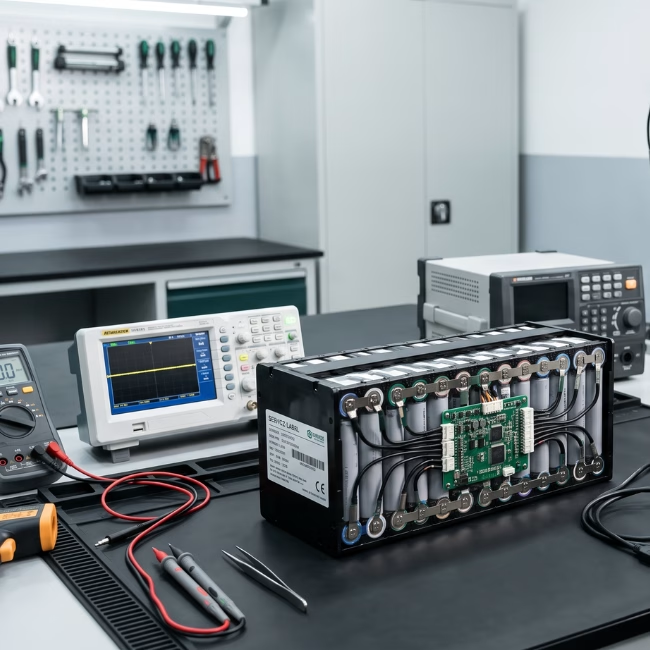
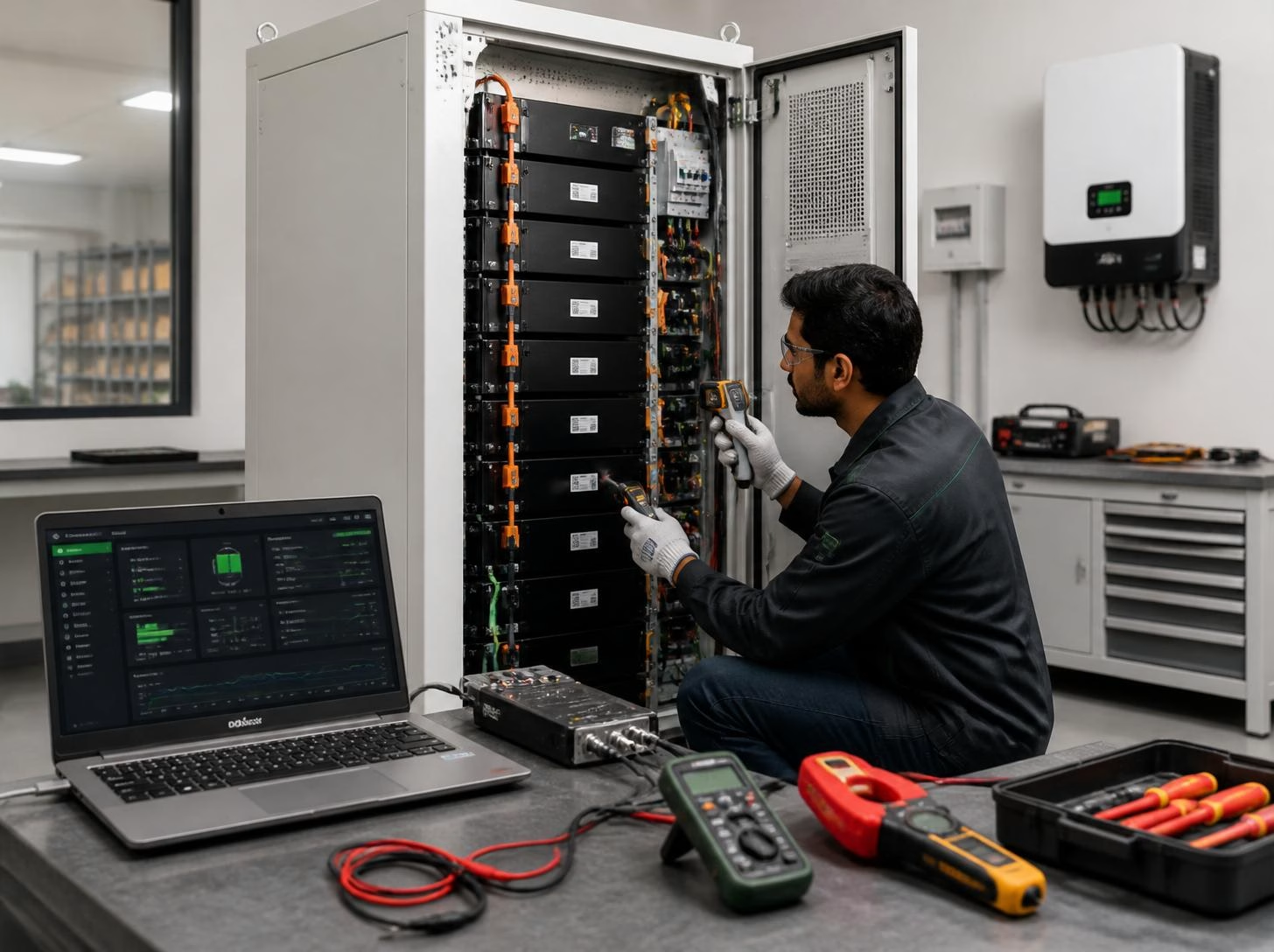
Battery support types
This page is not limited to any single EV vehicle brand. Battery guidance depends on voltage, chemistry, BMS type, connector, capacity, usage pattern, physical condition and the actual problem faced by the user.
Useful for electric scooter, electric bike and selected electric 3-wheeler battery users who want better range, safe charging and longer battery life.
Helpful for home, office and commercial UPS users who want stable backup, proper charging and better battery performance over time.
Guidance for solar storage users on charging pattern, daily energy use, battery backup, depth of discharge and long-term storage health.
Support for energy storage applications where load, cycle life, monitoring, safety and battery health tracking are important.
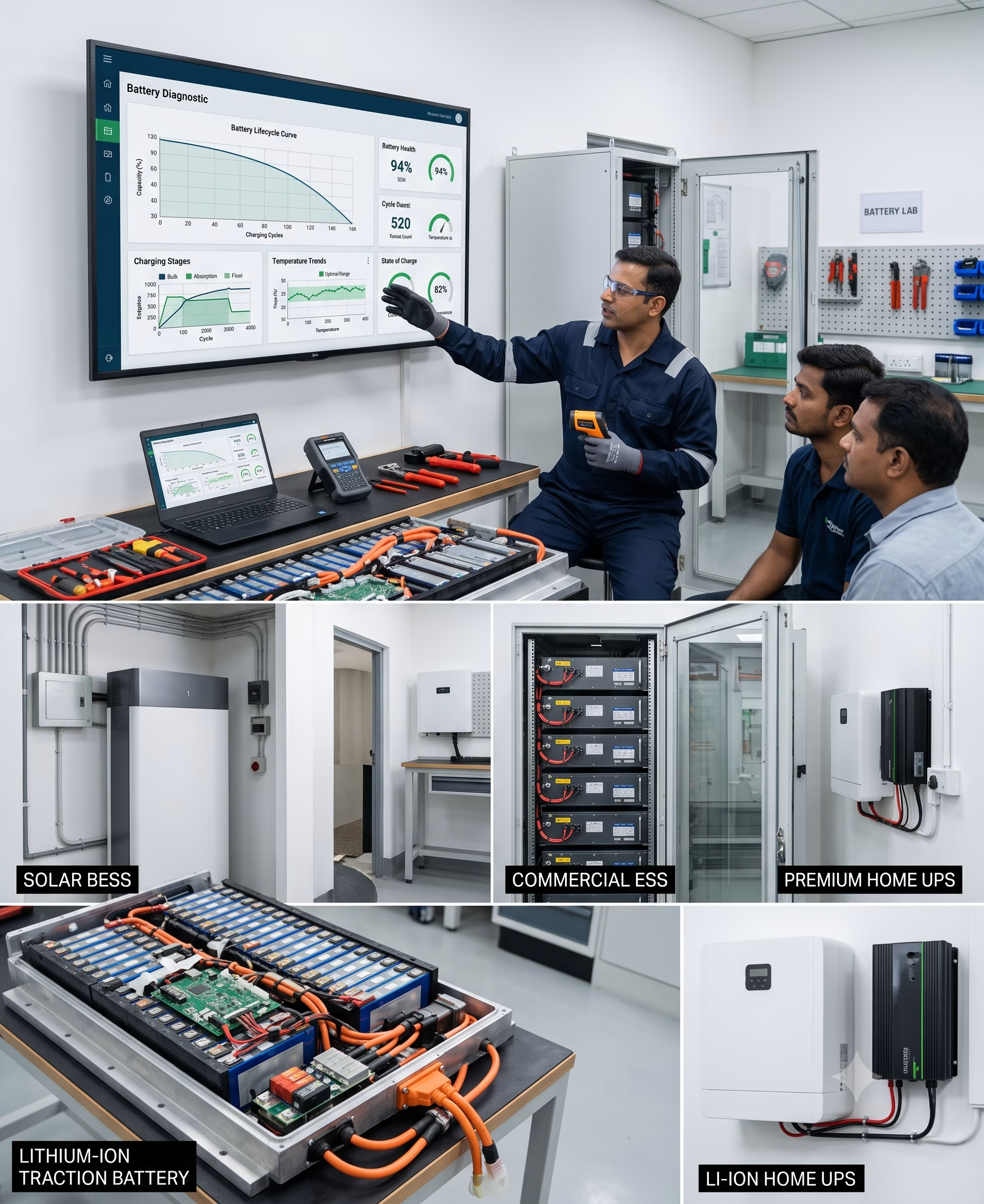
Battery life basics
Every battery slowly ages with cycles, temperature, load and time. But the speed of ageing can change a lot based on how the battery is charged, stored and used. A quality battery pack with good cells, proper BMS, safe wiring, correct protection and the right charger normally performs more consistently.
Good cells help with cycle life, voltage stability, heat control and long-term performance.
A smart BMS helps monitor voltage, current, temperature and protection conditions.
Overload, deep discharge, heat and wrong charging habits reduce practical life faster.
Battery health tips
These tips apply generally to EV batteries, lithium UPS batteries, solar batteries and ESS batteries. Always follow the product manual and the charger rating given for your specific battery pack.
Use only a compatible charger with the correct voltage, current and connector. Wrong chargers can damage the battery or BMS.
Repeated deep discharge puts stress on cells. Recharge before the battery is completely drained whenever possible.
Keep the battery, ports and connectors away from water, moisture and pressure washing. Water entry can create serious failure risk.
Do not keep the battery under direct heat for long periods. High temperature can reduce battery life and performance.
Use the battery within the recommended power, backup and discharge limits. Overload increases heat and voltage drop.
If not used for many days, keep the battery in a dry place with partial charge and check it periodically.
Loose, burnt or corroded connectors can affect charging and discharge. Early correction prevents larger issues.
Sudden range drop, backup drop, heating, errors or charging issues should be checked early.
When to check
A small change in performance can be an early signal. Checking the battery early can help avoid sudden breakdown, poor backup, range loss or damage to connected equipment.
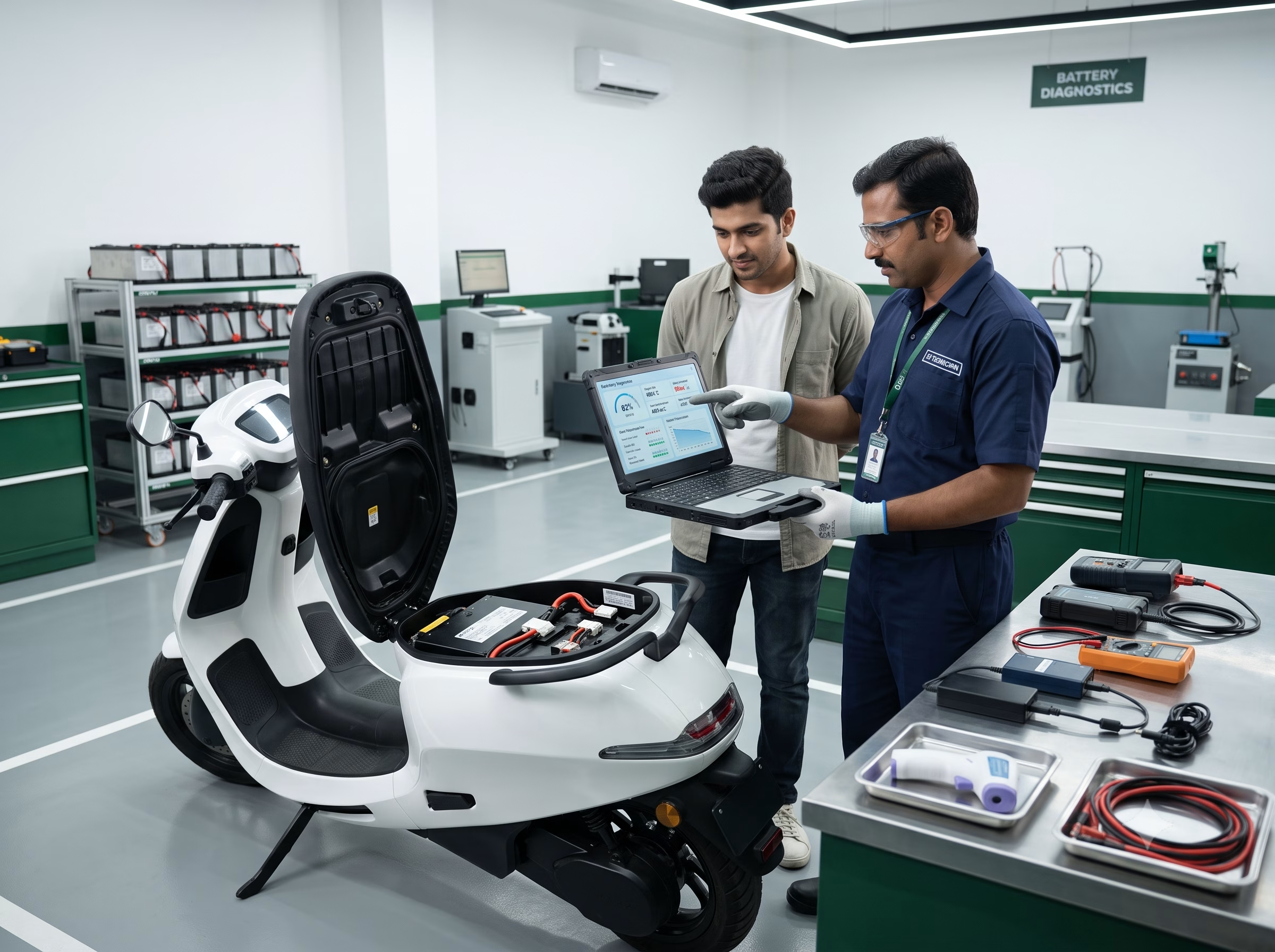
A gradual drop is normal with age, but sudden drop may need battery health check, BMS review or load testing.
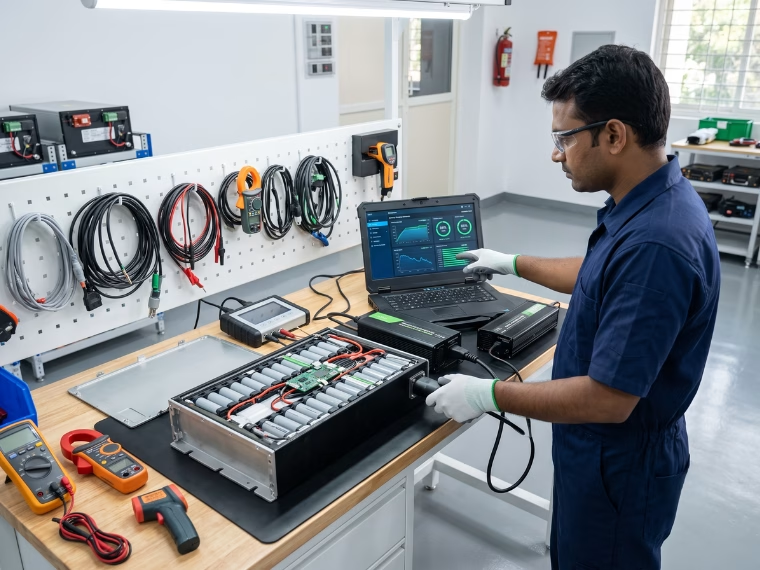
Very long charging, very short charging, charger cut-off, port heating or no charging should be checked with the right charger and battery data.
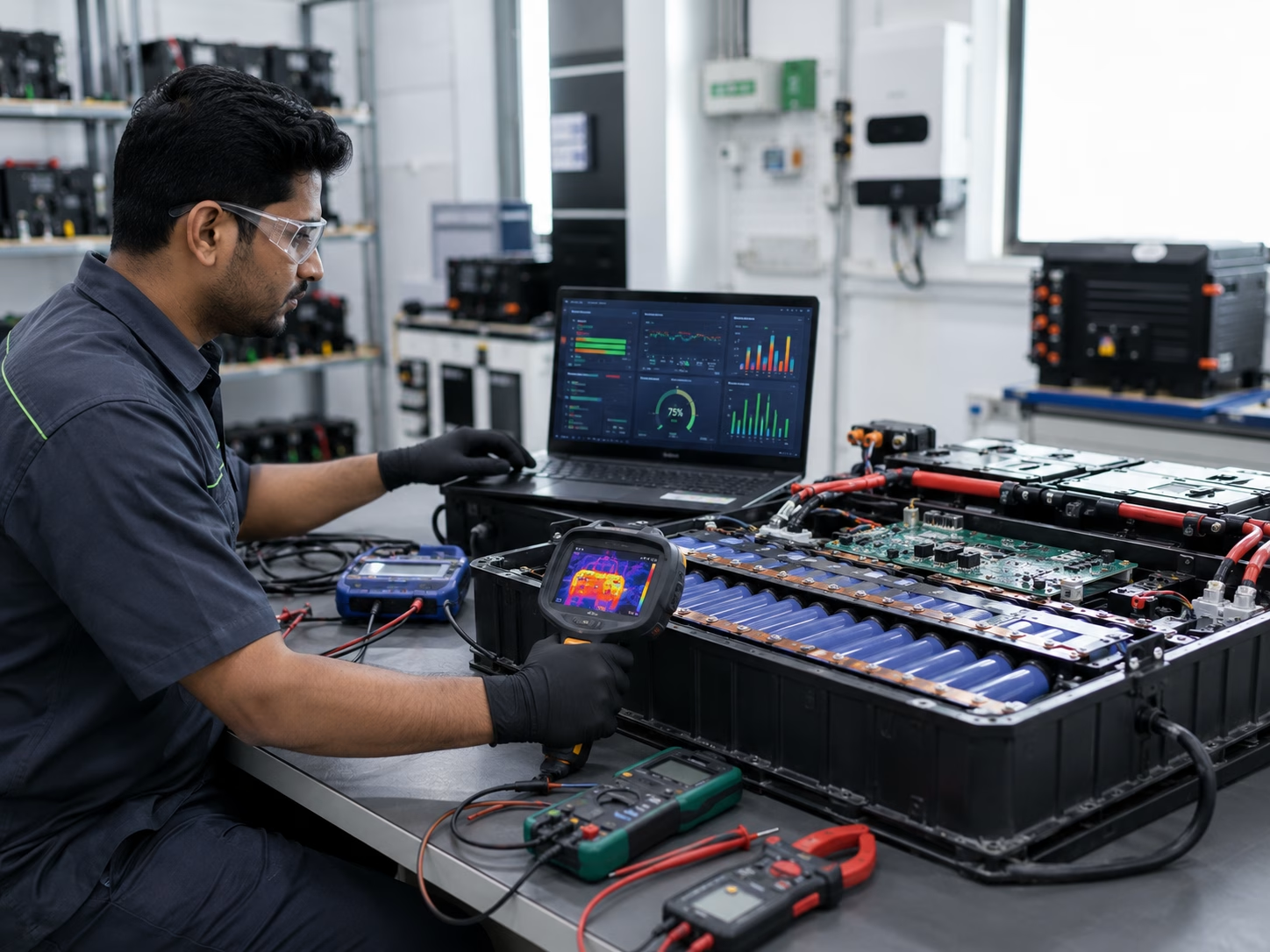
Abnormal heat, smell, swelling, smoke, spark marks or water entry should be treated seriously and checked safely.
Application-wise tips
EV range, UPS backup, solar storage and ESS usage patterns are different. The right care approach helps the battery deliver better practical performance in each application.
Avoid aggressive overload riding, do not use the wrong charger, protect the battery from rainwater and washing water, check if range drops suddenly and keep charging ports clean.
Keep connected load within the UPS rating, provide ventilation, avoid frequent overload alarms and check backup timing if the backup reduces compared to earlier usage.
Match solar charging, inverter load and battery capacity properly. Avoid repeated deep discharge and keep the system settings suitable for the battery chemistry.
Monitor charge-discharge cycles, load pattern, temperature and BMS alerts. Proper energy management improves battery stability and service life.
Why quality matters
The same voltage and Ah rating can perform differently depending on cell grade, BMS protection, pack design, wire quality, thermal design, testing process and after-sales support.
Reliable cells help maintain voltage stability, capacity retention and cycle life under real usage conditions.
A suitable BMS protects against overcharge, over-discharge, over-current, short circuit and temperature issues.
Good layout, wiring, insulation, connectors and enclosure design reduce long-term failure chances.
Voltage, capacity, load, charging, balancing and safety checks improve confidence before the battery is used.
Clear guidance on charging, load and storage helps customers use the battery correctly from day one.
Sada Energy supports its own batteries with health check and service guidance even after the warranty period, based on battery condition.
EV battery awareness
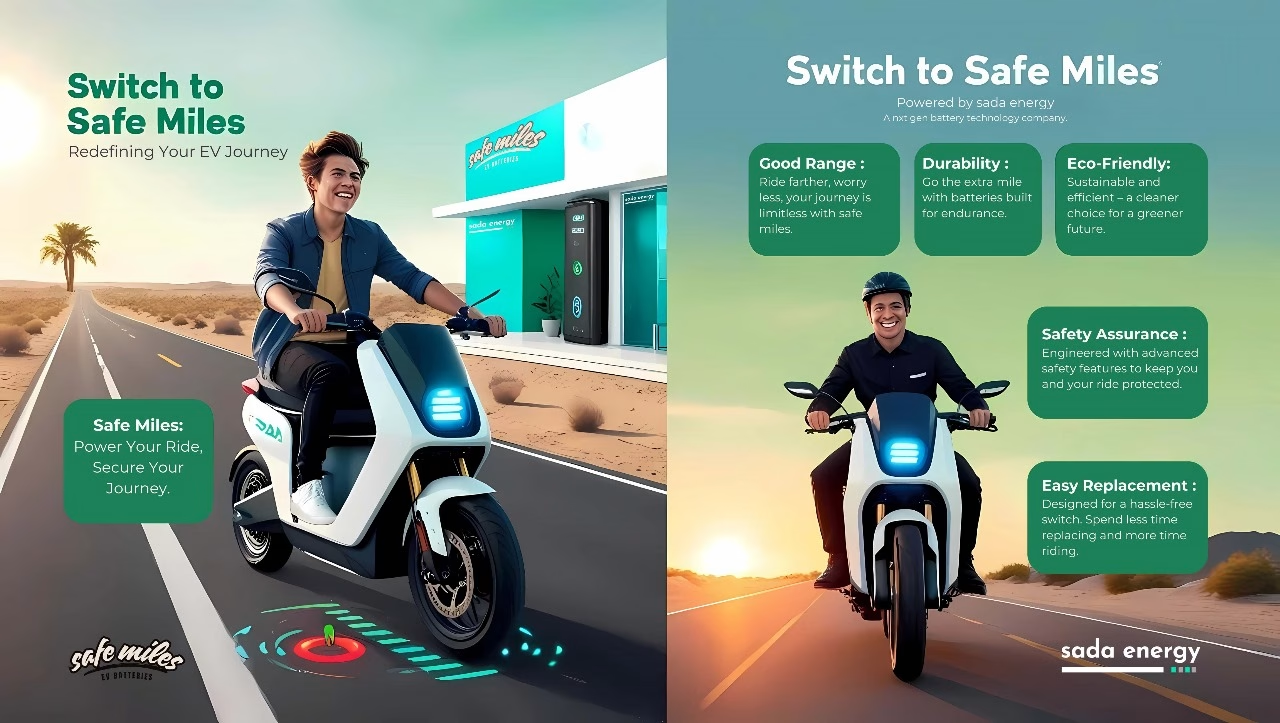
In an electric vehicle, the battery affects range, running cost, safety, charging experience and long-term ownership value. Better battery care and better battery selection help the EV perform more reliably.
| Point | EV with healthy battery | Fuel vehicle comparison |
|---|---|---|
| Running cost | Electric charging can reduce daily running expense when the battery and charger are used properly. | Fuel cost changes with petrol or diesel price and engine efficiency. |
| Maintenance | Battery, charger, controller and electrical health become important focus areas. | Engine oil, clutch, filters and combustion parts need more regular mechanical maintenance. |
| Performance consistency | Battery voltage, BMS and cell health directly affect range, pickup and cut-off behaviour. | Engine performance depends on fuel system, compression, service condition and mechanical wear. |
| Long-term ownership | Good charging habits and battery care help protect battery life and ownership value. | Mechanical wear and fuel system condition affect resale and running quality. |
Swipe the table sideways on mobile.
Support process
Battery issues can come from the charger, BMS, connectors, wiring, load, usage pattern or the battery pack itself. Share the basic details and our team can guide the next suitable step.
Application, voltage, Ah, chemistry if known, battery age and the issue faced.
Battery label, charger label, connector, dashboard/error image and visible issue photos help faster guidance.
The team can suggest health check, charger check, usage correction, replacement guidance or service review where applicable.
Battery support FAQ
Use these quick answers to understand battery care, warning signs and support options before booking a health check.
Common signs include lower range, faster voltage drop, sudden cut-off, charging issues, abnormal heating, dashboard error, reduced pickup or inconsistent performance under load.
Yes. A charger with wrong voltage, current, connector or charging profile can damage the battery pack or BMS. Always use a compatible charger recommended for the battery.
Keep the UPS load within rating, avoid continuous overload, provide ventilation, use the correct charging settings and check the battery if backup time suddenly reduces.
Solar batteries need correct inverter settings, suitable charge current, controlled depth of discharge and load planning. Deep discharge and wrong settings can reduce life.
No. This battery health tips and support page covers EV batteries, lithium UPS batteries, solar batteries and ESS battery packs.
Yes. Sada Energy supports its own battery products with health check, guidance and service options even after warranty, based on battery condition and feasibility.
Need battery guidance?
Use the WhatsApp support form for quick guidance or book a battery health check request for EV, lithium UPS, solar or ESS battery applications.